Copper costs more than PEX for the same house and asks more of the walls, and for some houses it is still the right material. Grackle Repiping Austin offers and manages copper repipes across Austin, replacing old supply pipe with rigid copper tube joined by soldering or press fittings, under a City plumbing permit and with a pressure test before any wall closes. A copper repipe in Austin also starts with favorable water: Austin Water lime-softens what it delivers, and its own tap sampling finds copper levels far below the action level. The work is done by licensed and insured plumbing contractors.
This page covers what is specific to copper. The whole-house repiping page covers the full scope of a repipe, and the PEX vs copper guide compares the two materials side by side.
What happens on the first visit
The visit checks the pipe material now in the house, reads static pressure at a hose bib, looks at attic or crawlspace access and finds where walls can open. For copper it pays extra attention to the routes, because a rigid pipe needs a straighter path and more openings than flexible tubing. Where a house already has copper in good condition in some places, the visit also checks whether it can stay, which turns the job into a partial repipe.
Why choose copper
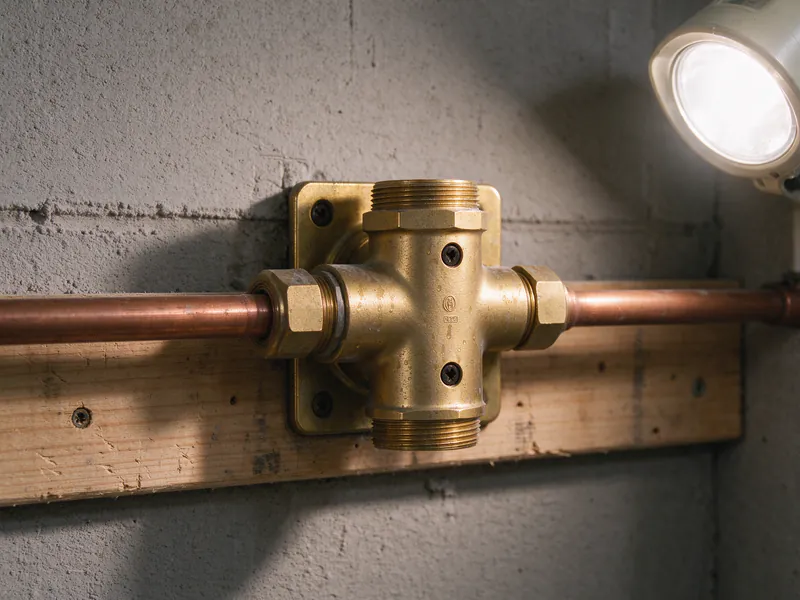
Copper is a metal pipe with a long record in drinking water systems. It is unaffected by attic heat and sunlight, it does not need protection from UV at vents, and it holds its shape on long exposed runs in a garage, utility room or crawlspace. Some owners simply prefer living with metal pipe, and some houses already have copper that new copper can extend cleanly.
What copper costs is access and labor. Every change of direction is a fitting. Rigid lengths have to be fed into walls and around framing, so a copper repipe usually needs more and larger openings than PEX. On a slab house where every line runs through the attic and drops down walls, that difference is real. Copper also splits when water freezes inside it, so attic routing and insulation matter as much as with PEX.
Neither material is right for every house. The PEX repiping page explains when PEX fits better.
Type L and Type M
Copper water tube is made to ASTM B88 in three common wall thicknesses. Type K is the heaviest and is mostly used underground. Type L is the medium wall and the usual choice where an owner wants a margin of wall thickness. Type M is the thinnest and is allowed for water lines inside a house above ground. Type L costs more. The estimate states which type is planned, because a cheaper copper quote is sometimes a thinner tube.
Soldered joints and press fittings
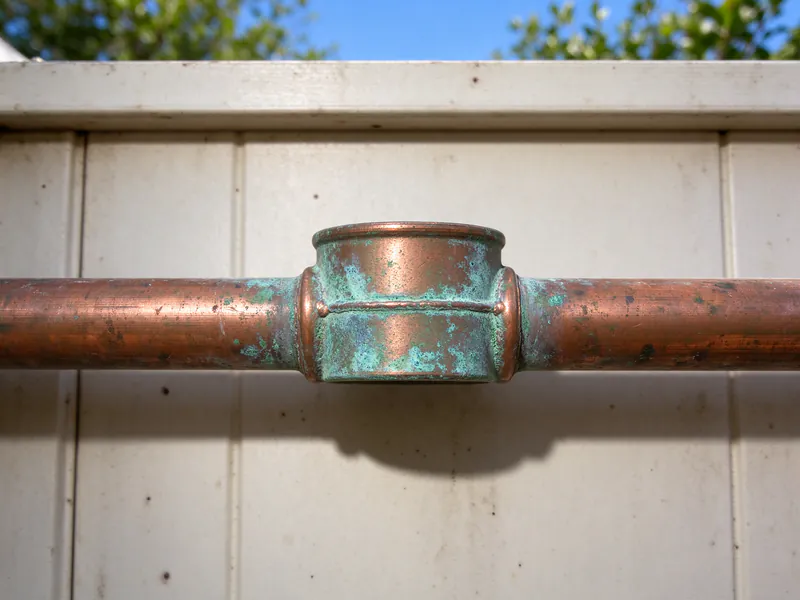
Soldered joints are made with heat, lead-free solder and flux. Federal law has required lead-free solder and pipe for drinking water since 1986, so a new copper system in Austin is lead-free by law. Soldering in a finished house means open flame near framing, insulation and wiring, so it calls for heat shields and a fire watch. Leftover flux inside the pipe is one of the conditions linked to later pitting, which is why a full flush after the job matters.
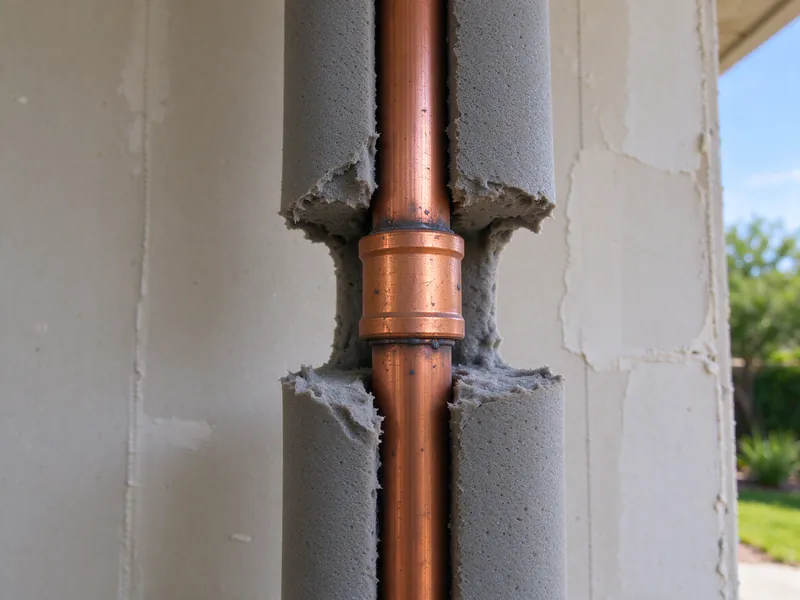
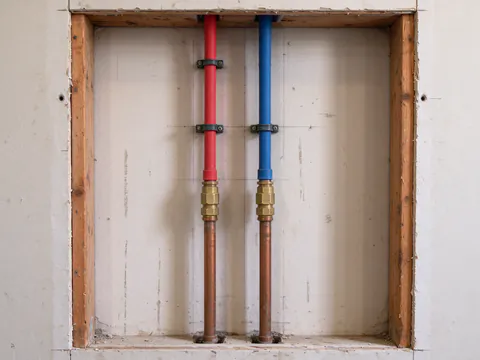
Press fittings use an EPDM sealing ring inside the fitting, compressed onto the tube with a press tool. They need no flame, go together faster in tight spaces and are listed for drinking water. The fittings themselves cost more than solder fittings, so press saves labor and flame risk rather than material. Austin Water disinfects with chloramine, and any seal in contact with the water has to be compatible with it; EPDM seals listed for drinking water are made for that use.
The estimate says which method is planned, and a mix works well: press where a flame would be risky, solder where the tube is open and accessible.
Austin water and copper
Austin Water draws from the Lower Colorado River through Lake Travis and Lake Austin. It lime-softens the water to a pH near 9.7 at all three treatment plants and disinfects with chloramine. Total hardness averages about 93 parts per million, or 5.4 grains per gallon, which is moderate. Austin Water’s report says its lime softening process helps coat pipes and prevent corrosion, and in its 2024 round of household tap sampling, copper levels at the 90th percentile were under 0.008 parts per million, far below the action level.
What that means for a copper repipe: Austin’s treated water is not a strong driver of copper corrosion. It does not rule out pinholes from other causes. High velocity in undersized lines, a recirculation pump running too fast, flux left in joints and stray electrical current can all pit copper. The copper pinhole leak guide explains each cause.
The suburbs differ. Round Rock’s water averages 249 mg/L of hardness, about 2.7 times Austin’s, and Kyle’s groundwater blend runs 275 to 295 mg/L. Cedar Park draws from the same lake as Austin but does not lime-soften it. Hard water leaves scale on valves, fittings and water heaters whatever the pipe is made of. The Austin hard water guide covers what that means for a repipe.
Copper, PEX or a mix?
The walk-through checks your routes and your water before recommending a material.
Copper in the attic and under the slab
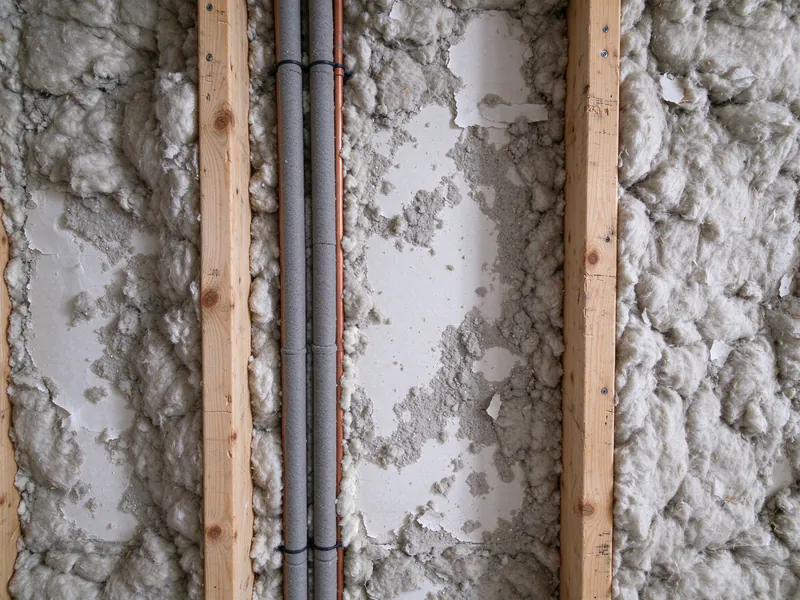
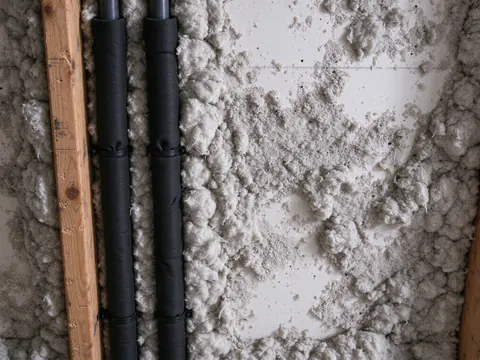
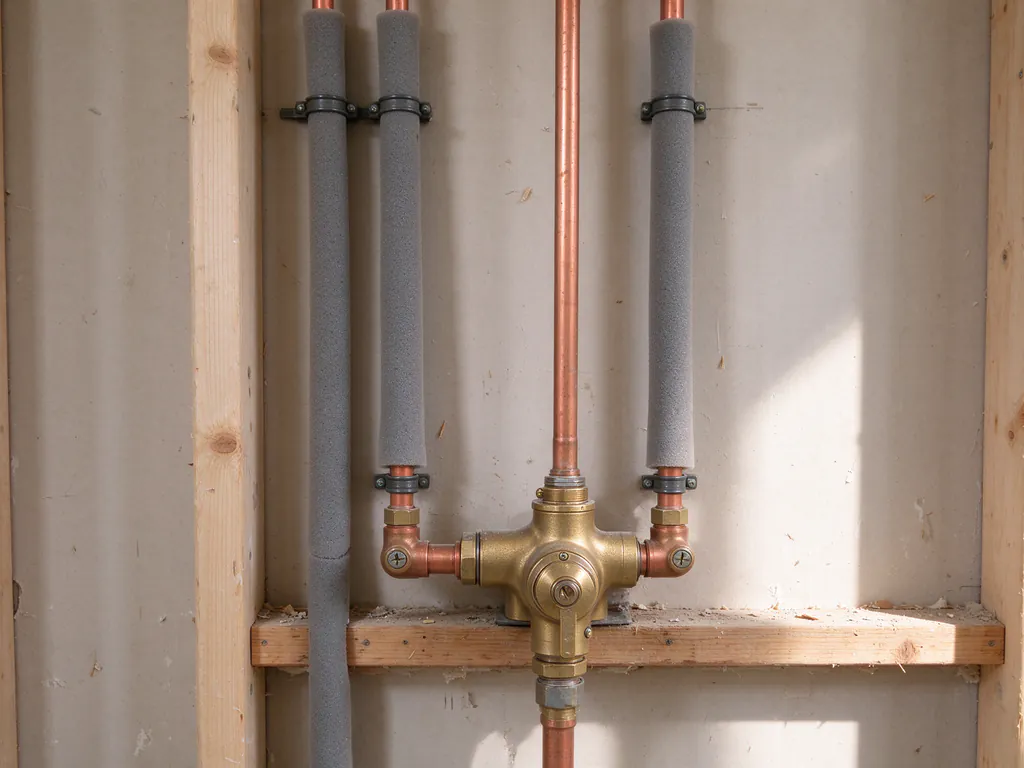
On a slab house, a copper repipe runs overhead, as any repipe does. Austin requires at least R-4 insulation, five-eighths of an inch thick or more, on water lines outside the thermal envelope, and that applies to copper as much as to PEX. Copper also carries heat well, so an uninsulated hot line in a summer attic loses heat and an uninsulated cold line picks it up.
Where an Austin slab house was built with copper, that copper sits in or under the concrete, laid as soft tube in long runs with few joints below the slab. Where it touches concrete or rubs as a hot line expands and contracts, it can wear through. A new copper repipe does not go back under the slab; it abandons those lines and runs overhead. If only one under-slab line has failed, a slab leak reroute may be the right scope instead.
Copper is also a conductor. Where a house’s electrical grounding relies on metal water pipe, replacing galvanized steel with copper keeps a metal path, while a change to PEX breaks it. Either way, the bonding is checked at the end of the job.
What a copper repipe costs
There is no published Austin-area range for copper repipes here, because local figures disagree too much on the low end to state one honestly. Copper generally prices above PEX for the same house. What sets the price:
- house size and the number of bathrooms and fixture groups
- the route: attic access, crawlspace, and how straight a rigid pipe can run
- Type L or Type M tube
- soldered or press joints
- the number and size of wall and ceiling openings, and the patch scope
- a pressure regulator and expansion tank where static pressure tops 65 psi
The Austin repipe cost guide explains the drivers and the published ranges for other repipes, and the estimate prices copper for your house as written lines. The repipe permit guide covers the permit, which every copper repipe in Austin needs.