Polybutylene is gray plastic water pipe that went into houses from the late 1970s into the mid-1990s and then fell out of use because of how it fails. Grackle Repiping Austin offers and manages polybutylene pipe replacement across Austin, finding every polybutylene run in the house and replacing it with PEX or copper under a City plumbing permit. Polybutylene pipe replacement in Austin is usually a whole-house repipe, because the weakness is in the material and fittings everywhere, not in one bad spot. The work is done by licensed and insured plumbing contractors.
It helps to know what Austin Water has and has not done about polybutylene, because the two are easy to mix up. That is covered below.
What happens on the first visit
The visit checks the pipe material where it shows: at the water heater, under sinks, behind toilets, at the main shutoff and in the attic. It reads static pressure at a hose bib, looks at attic or crawlspace access and finds where walls can open. For polybutylene it also looks for patches. A house where earlier owners repiped part of it, or replaced leaking sections, can carry polybutylene and PEX side by side, and the estimate needs to say which pipe is where.
How to recognize polybutylene
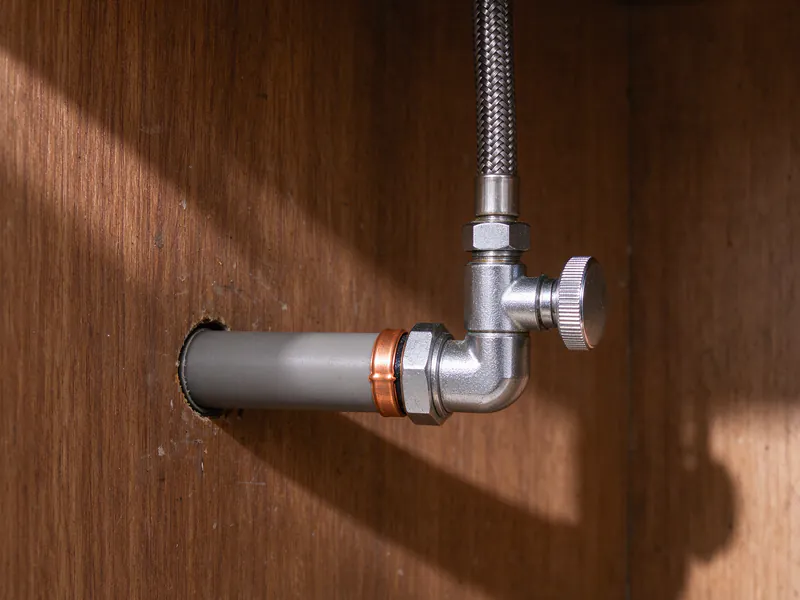
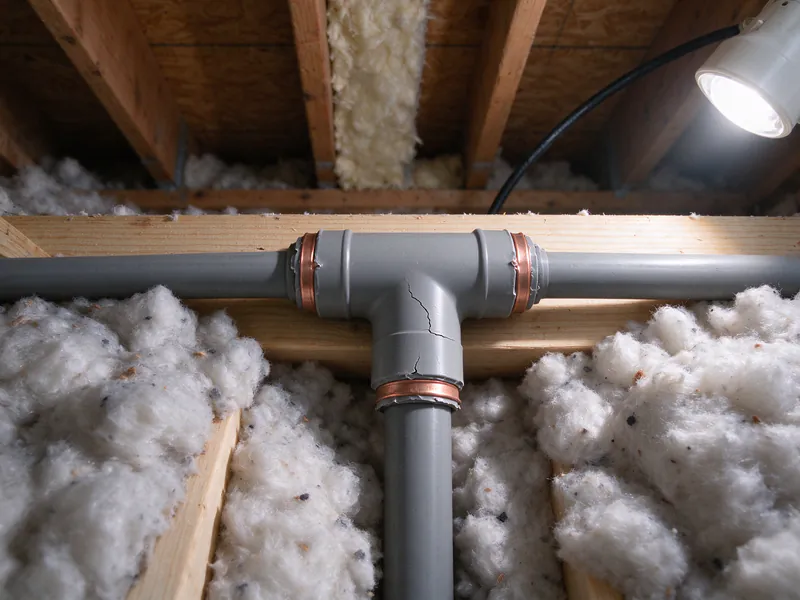
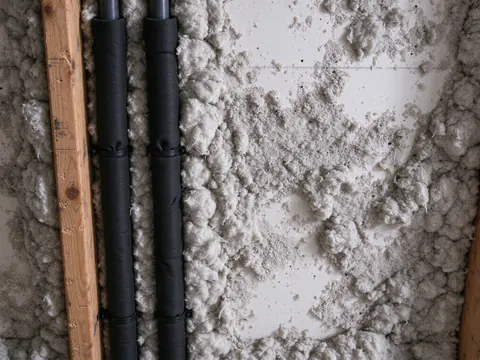
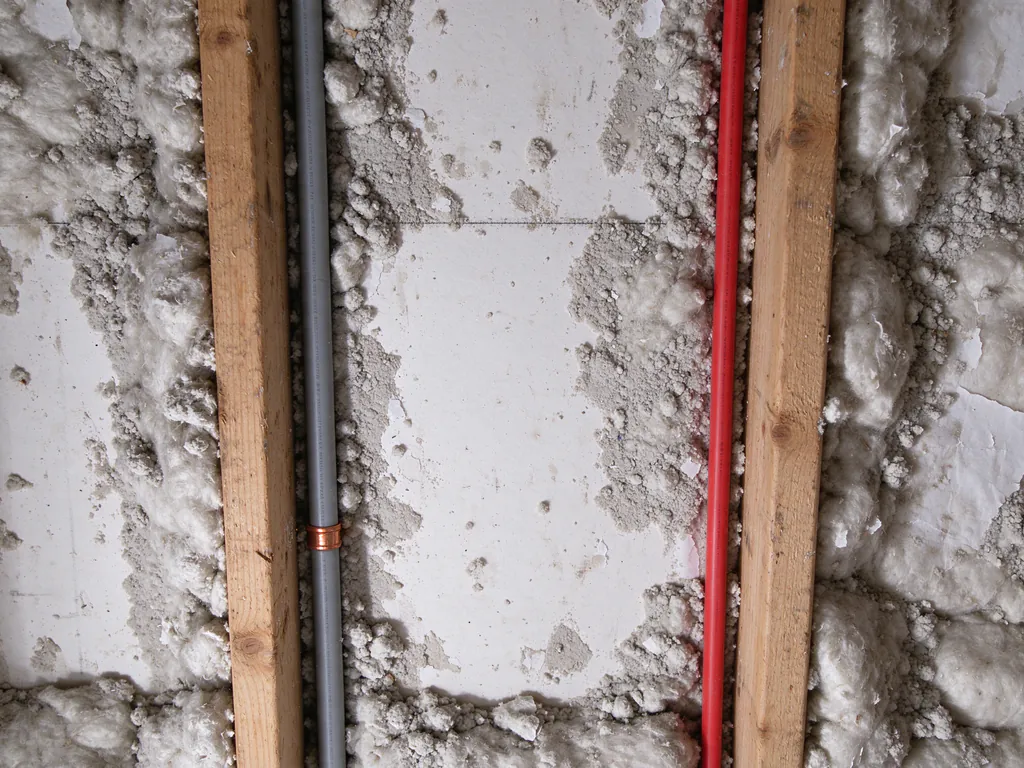
Polybutylene is flexible, usually gray, and often stamped “PB2110” along its length. It is joined with insert fittings held by crimp rings, which are copper or aluminum bands around the outside of the pipe. In a slab house it may run through the attic and drop down the walls to each fixture; in other houses it shows up in a crawlspace.
Several things look like polybutylene and are not:
- PEX is stamped “PEX” with its standard, and is usually red, blue or white.
- CPVC is rigid, cream or tan, and glued rather than crimped; the CPVC guide covers it.
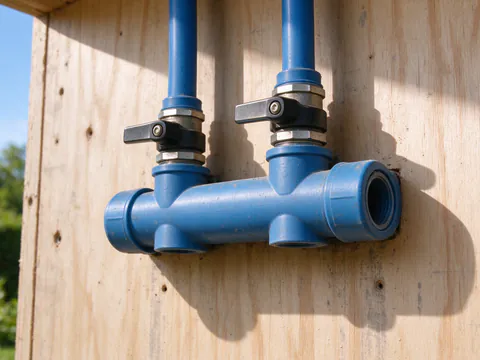
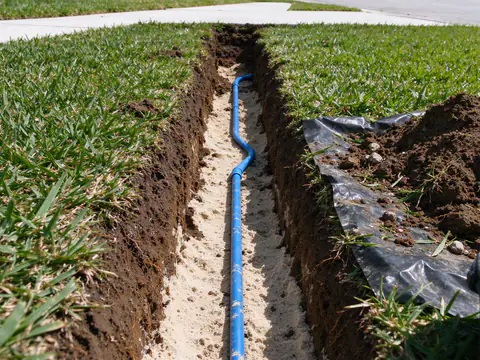
- Blue or black plastic coming from the meter into the yard is usually the service line, which may be polyethylene rather than polybutylene.
Inspection reports sometimes flag polybutylene on a house built too late to have it. The pipe’s marking settles the question. The pipe identification guide shows each material.
Why polybutylene fails
Polybutylene fails in two ways, and neither gives much warning.
From the inside. The disinfectants used to make drinking water safe are oxidants. Over years, they are widely associated with degrading polybutylene from the inner wall outward, leaving it brittle and prone to small cracks and pinhole leaks. The pipe can look fine from outside while the inside is flaking.
At the fittings. Early systems used plastic insert fittings that cracked; later systems used metal fittings, but the crimp joints themselves remain a weak point, especially when a ring was crimped badly or the pipe was bent hard near a joint.
Under pressure. High static pressure strains every joint. Austin Water’s own polybutylene program prioritizes its service lines where static pressure exceeds 105 psi, because poly lines fail more at higher pressure. Inside the house, Austin’s amendment to the plumbing code requires a pressure regulator with a strainer when static pressure tops 65 psi, set to 65 psi or less, with an expansion tank downstream. A house with polybutylene and high pressure is a house where the regulator matters most. The pressure regulator guide covers the rule.
Homeowners report one pinhole leak after another in attic polybutylene, and plumbers advising that once it starts cracking, it keeps cracking. That matches the mechanism: the whole length is the same age and has seen the same water.
Austin Water’s polybutylene program is on its side of the meter
Austin Water has replaced polybutylene service lines in 60 subdivisions as part of a capital program to reduce line breaks. Those are the small lines that connect the water main in the street to each customer’s meter. The program has replaced thousands of these lines and has thousands more identified for replacement. Its contract work has included ZIP codes such as 78704, 78731, 78745, 78749, 78750 and 78759.
That program does not reach the property owner’s side. Austin Water owns the line up to the meter; the owner owns the yard line from the meter to the house and every pipe inside. A notice that your street’s poly lines were replaced says nothing about what is in your walls. If your own yard line is also plastic and failing, that is a water line replacement. If the pipe inside is polybutylene, it stays until the house is repiped.
Where polybutylene turns up around Austin
No public record counts polybutylene inside Austin houses. Austin plumbing permit descriptions name it only once in five years; permits describe the new work more than what came out. What the records do show is housing age. In 78750, 61.7% of homes were built from 1970 to 1989; in 78759 the figure is 57.7%, in 78731 48.7% and in 78745 42.6%. Where a house was built in the late 1970s through the mid-1990s, polybutylene is worth checking for, and a walk-through confirms it.
Inspection report flagged polybutylene?
A written scope for replacing it gives you a real number to negotiate with, before or after closing.
Buying, selling and insuring a house with polybutylene
Homeowners report polybutylene missed by inspections or disclosures and found only after closing, and buyers asking sellers for credits when an inspection does flag it. Insurers differ in how they treat it; some ask about pipe material when writing a policy. There is no general rule, so ask your agent directly.
What helps every side of a sale is a written scope: which pipe is polybutylene, where it runs, how many fixture groups it feeds, what access the attic and walls allow, and whether a pressure regulator is needed. Questions about what a seller must disclose belong with your agent or a real estate attorney.
Replacing polybutylene
Material. PEX and copper both replace polybutylene. PEX follows the same flexible routes through attics and crawlspaces with few fittings; copper needs more access. The PEX repiping page and the PEX vs copper guide cover the choice.
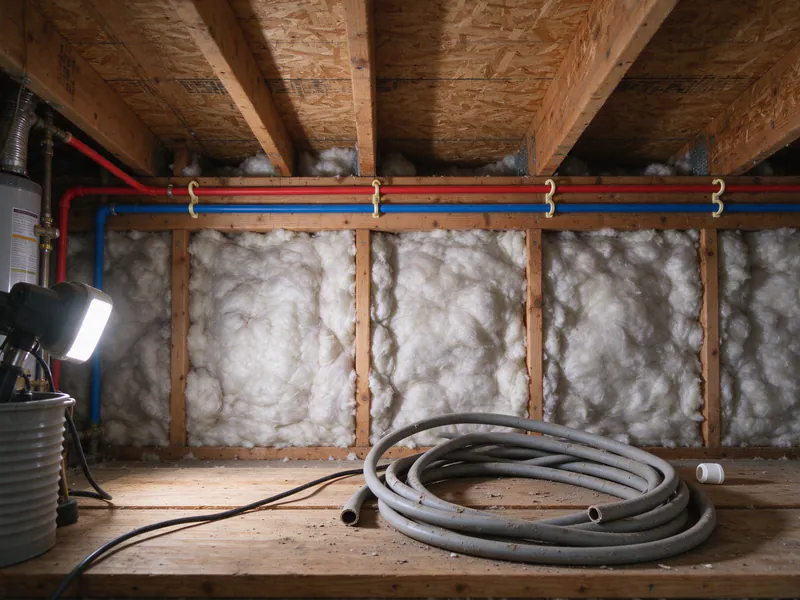
Route. On a slab house the new lines run overhead, insulated to Austin’s R-4 rule for lines outside the thermal envelope. Where the old polybutylene already ran through the attic, the new lines can often follow its path.
Openings. Each fixture group needs an opening where the new line reaches its valve. Pulling new pipe through closed walls with no openings is not a reliable method.
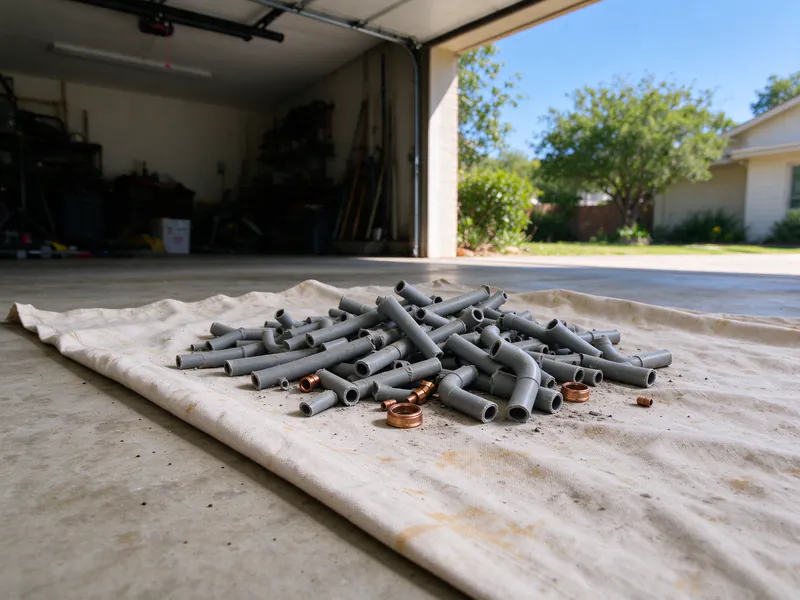
Old pipe. Polybutylene that can be reached in the attic or crawlspace is removed. Pipe closed up inside walls is cut, capped and abandoned in place.
What polybutylene replacement costs
Polybutylene replacement is priced as a whole-house repipe, so there is no separate published range for it; the Austin repipe cost guide carries the whole-house ranges. What moves the price:
- house size and the number of bathrooms and fixture groups
- one story or two
- attic or crawlspace access, and whether the old routes can be reused
- tile, built-in cabinets and plaster walls that slow access
- a pressure regulator and expansion tank where pressure tops 65 psi
- the patch scope for each opening
Is repiping worth it? weighs replacing polybutylene now against waiting for the next leak.