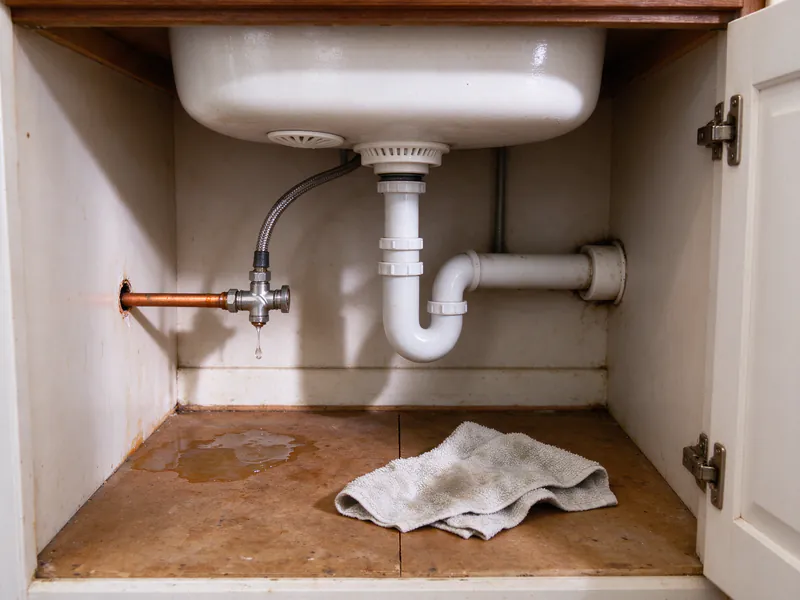
Grackle Repiping Austin repairs burst and frozen water pipes in Austin homes, from a split line in the attic to a cracked hose bib or a broken riser where the yard line meets the house. The work is done by licensed and insured plumbing contractors. A burst pipe repair covers the pipe: opening access, cutting out the damaged section, replacing it with new pipe and listed fittings, and testing it. Drying the house and rebuilding ceilings and walls is restoration work, a separate trade. And when one break turns out to be the first sign of pipe failing everywhere, or of a line that will freeze again where it runs, the repair becomes a slab leak reroute or repipe decision.
Stop the water first
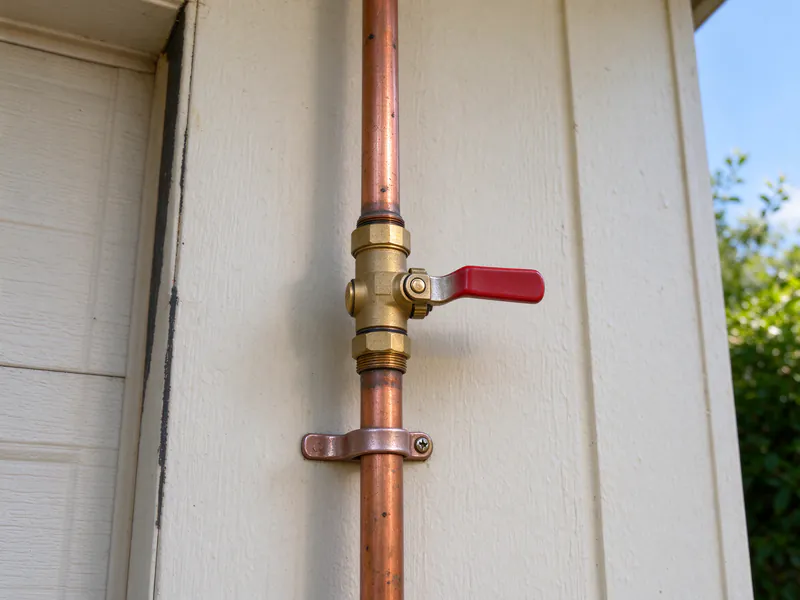
Every minute a split line runs adds to the damage, so the first job is yours. Austin Water’s guidance is to shut off the property owner’s valve, which sits on your side of the meter, in or beside the meter box near the curb. If you cannot find it or it is damaged, use the City valve inside the meter box; it may take a water meter key, sold at most hardware stores. Smart meter lids open with a standard lid key; avoid damaging the wires on the lid.
With the water off, open a faucet at the lowest point in the house to relieve the pressure and drain what you can. Leave the faucet open.
If a pipe is frozen but has not split yet, Austin Water’s thawing advice is to turn off the water at the shutoff first, open a faucet, then warm the pipe gently with a hair dryer, heating pad or warm towels, and never with an open flame. Check for cracks before restoring pressure.
Why Austin pipes burst in a hard freeze
Austin freezes rarely but hard. The National Weather Service counts about 12 days a year below freezing at Camp Mabry and 33 at Austin-Bergstrom, which sits low in the Onion Creek basin, so the low-lying southeast of the city freezes roughly three times as often as the center. The average first freeze is December 1 and the last is February 15.
Bursts follow multi-day hard freezes. During the February 2021 winter storm, Camp Mabry stayed at or below freezing from February 13 to 17 and fell to 7 F; Bergstrom reached 6 F. The City issued 123 freeze-related plumbing permits between February and April that year, against zero to five in the same months of the years around it. Smaller hard freezes followed: lows of 15 to 18 F around Christmas 2022, and a high of only 24 F at Camp Mabry in January 2024 with 11 F at Bergstrom. The January 2023 ice storm was different, a glaze event that hovered near freezing; its risk to pipes came from long power outages, with more than 200,000 metro customers left without power.
The mechanism explains where pipes split. Water expands as it freezes. An ice plug forms in the coldest stretch, and as more water freezes, pressure builds in the trapped water between the plug and a closed faucet. The pipe gives at its weakest point, which is often not where the ice is, and the split stays hidden until the line thaws and pressure returns. A dripping faucet helps by moving water and relieving that pressure, but it does not guarantee a line in a cold attic will survive. The frozen pipes guide covers prevention.
Where Austin bursts happen
The places that freeze are the places outside the heated house:
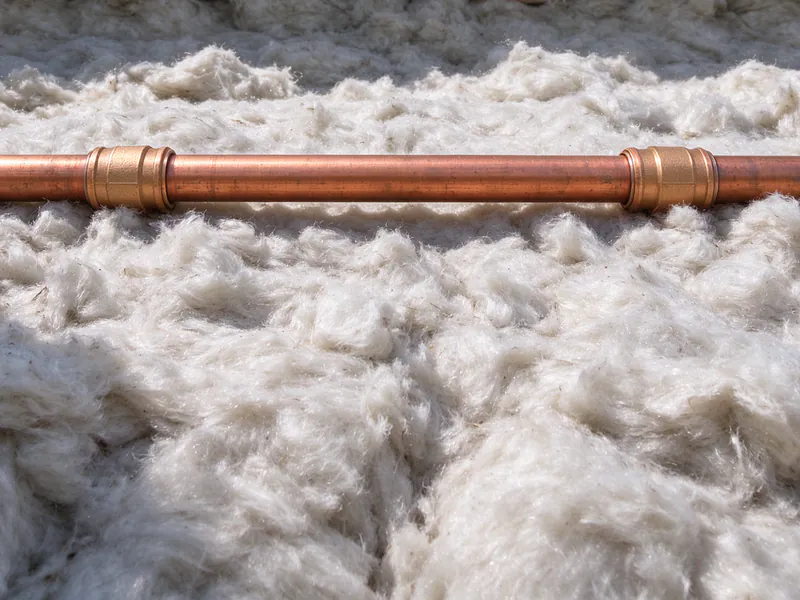
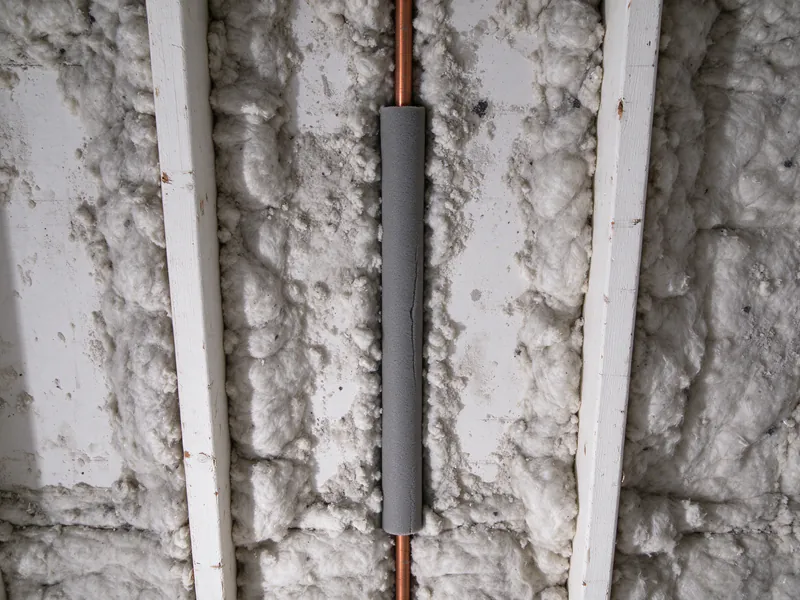
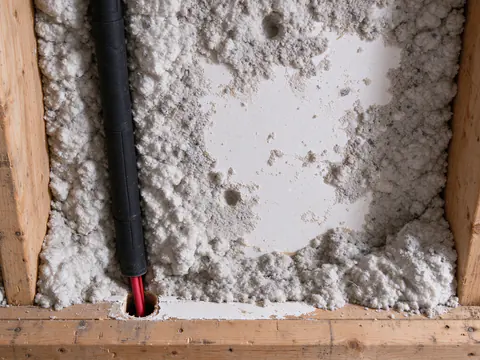
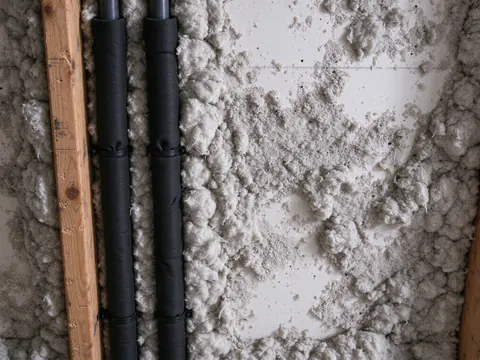
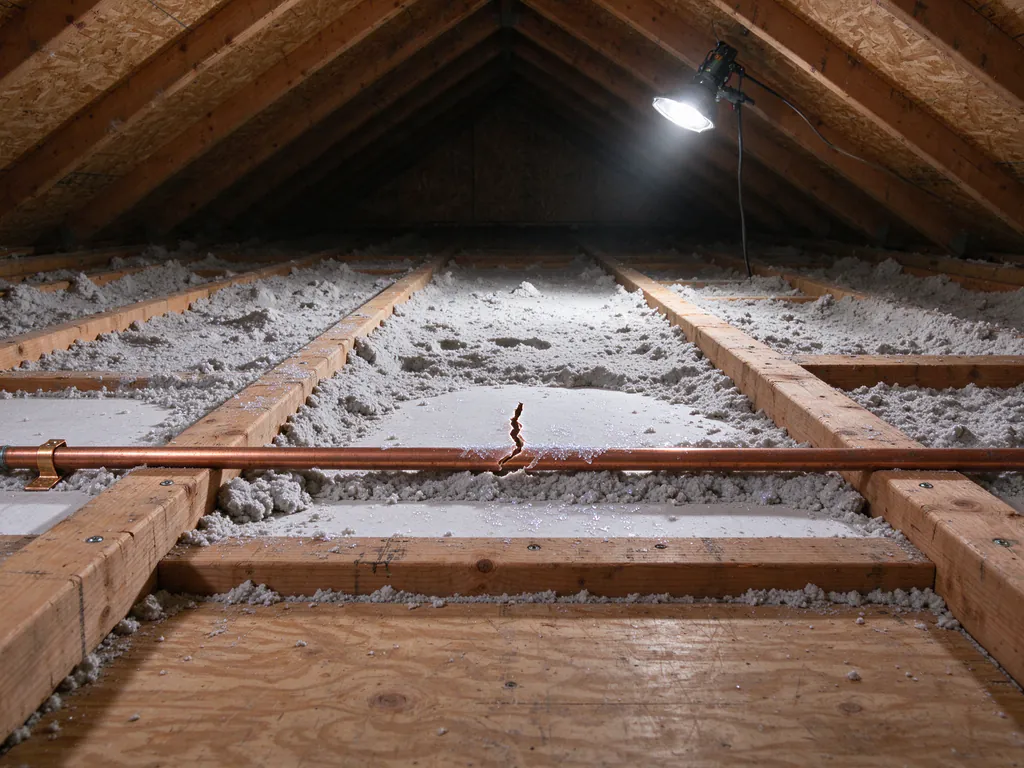
- Attics. Austin is a slab town, and slab houses carry their supply lines overhead. Homeowners report attic-routed lines freezing in cold snaps. Austin’s amendment 312.6.1 requires at least R-4 insulation, five-eighths of an inch thick, on water lines outside the thermal envelope, but older attic runs and earlier reroutes predate that rule. The guide to PEX in Texas attics covers what protects them.
- Exterior walls. Lines in exterior walls sit closest to the cold, especially where the wall has little insulation.
- Crawlspaces. Pier-and-beam houses carry their lines under the floor in moving cold air.
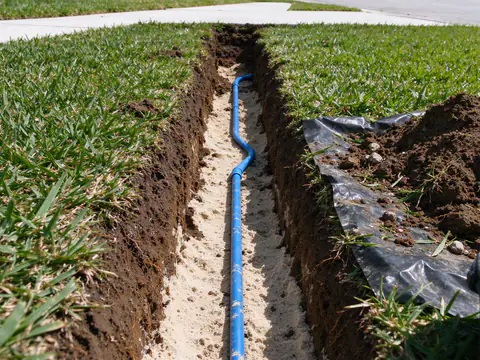
- Hose bibs and risers. An exposed riser where the yard line enters the house, or a hose bib with a hose still attached, freezes first. A cracked riser below the house shutoff is part of the water line replacement scope.
What the repair involves
The first visit finds the break and decides what kind of repair it needs. It checks what the pipe is made of, the static pressure at a hose bib (the pressure regulator guide explains why that number matters), access through the attic or crawlspace, and where a wall or ceiling has to open. Galvanized steel, copper, gray polybutylene, CPVC and PEX each split differently: copper tends to open in a lengthwise seam, CPVC can crack at fittings and tees, and PEX may survive the ice while a brass fitting or a valve body cracks. The guide to identifying your pipes shows what each looks like.
The repair itself cuts back past the damage to sound pipe, checks the pipe on either side for splits from the same freeze, and splices in new pipe with fittings listed for the materials being joined. Where new pipe meets a different old material, a listed transition fitting goes between them. The repair is pressure tested with the access still open, then the water goes back on. If the run sits where it will freeze again, it gets insulation to the code standard or a recommendation to move it.
When a burst becomes a reroute or a repipe
One split in pipe that is otherwise sound is a repair. Three situations change that.
The line runs where it will freeze again. An uninsulated attic run over a garage, or a line in an exposed exterior wall, can be repaired and still split in the next hard freeze. Moving it through warmer space is a reroute, the same method used to replace a leaking line under the slab.
The break is under the slab. A burst or leak below the foundation shows up as warm spots, a running meter or water at the baseboards. It needs leak detection, and then usually a reroute overhead rather than breaking concrete. The slab leak signs guide lists what to look for.
The pipe is failing everywhere. Homeowners report freeze bursts in older houses that turned out to carry a patchwork of galvanized, copper and plastic from earlier repairs. Where the freeze found several weak points, or the pipe is galvanized, polybutylene or brittle, the repair money may be better spent on a whole-house repipe. The estimate should say which, and why.
One break or the whole system?
The first visit separates a single repair from a line that needs rerouting or pipe that needs replacing.
Does a burst pipe repair need a permit in Austin?
A repair that replaces or reroutes pipe needs a permit; ask the City about anything less. Austin’s amendment 104.2 exempts repairing leaks in pipes, valves or fixtures when the work does not involve or require replacing or rearranging valves, pipes or fixtures, and cutting out a split section is replacing pipe. A City-registered responsible master plumber pulls the permit, and the City’s emergency permit page explains how urgent trade permits are requested. Outside Austin the rules differ: Kyle lists a permit for plumbing repairs that require removing concealed piping, and other suburbs are confirmed per address. The repipe permit guide covers the offices.
What a burst pipe repair costs
A typical Austin-area range for burst pipe repair, pipe work only, is about $400 to $1,500. Ceiling, slab or multi-break repairs and restoration cost more. What moves the price:
- where the break is: exposed, in a wall, in a ceiling or under the slab
- how much wall or ceiling has to open to reach it
- the number of breaks from the same freeze
- the pipe material and the fittings needed to join new pipe to old
- leak detection, when the break is hidden
- insulation or a reroute so the run does not freeze again
Water damage drying, drywall, insulation and flooring are separate costs from separate trades. If the burst ends in a repipe, the Austin repipe cost guide covers that price.
Insurance and the water bill
The Texas Department of Insurance says most homeowners policies cover sudden and accidental water damage and usually do not cover gradual leaks. Whether a policy pays, and for what, is the insurer’s call, so photograph the damage before cleanup and keep the repair invoice. The slab leak insurance guide explains how Texas policies treat water under the foundation. The invoice matters twice in Austin: Austin Water’s leak bill adjustment asks for a paid repair receipt describing the repair, submitted within 90 days of the repair date.
Before the next freeze
If you leave town in cold weather, Austin Water suggests turning the water off at the meter and keeping the thermostat at 65 F or higher. Insulate exposed risers and hose bibs, and know where your owner-side valve is before you need it. The freeze prep checklist walks through the rest.