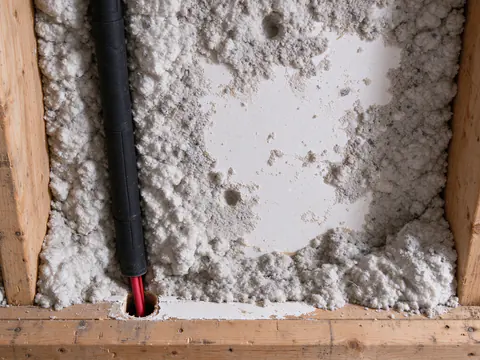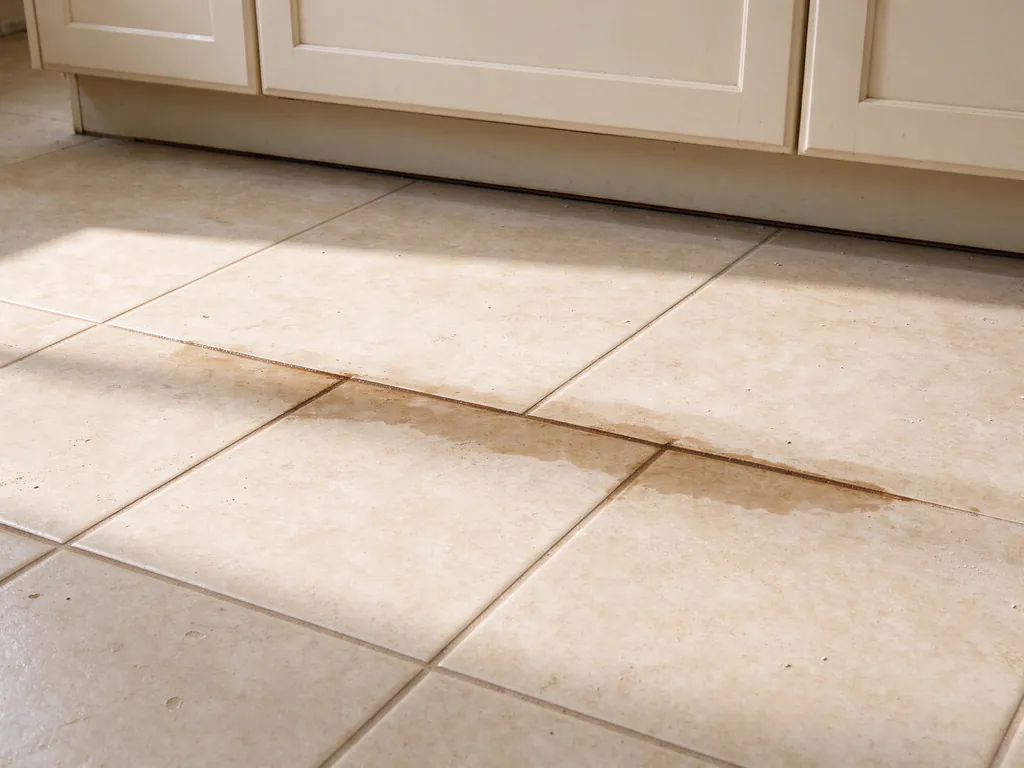
It depends on your policy, and the answer usually comes in parts. The Texas Department of Insurance says most policies cover sudden and accidental water damage and usually not damage from gradual leaks, and it lists damage to foundations or slabs as optional coverage. Homeowners report insurers paying to tear out and restore the floor and for resulting water damage, but not for fixing the failed pipe. Grackle Repiping Austin offers and manages slab leak reroutes in the Austin area; it does not sell insurance, and this guide does not tell you what your policy covers. It explains the questions to ask.
What the Texas Department of Insurance says
The Texas Department of Insurance (TDI) regulates homeowners insurance in Texas and publishes plain-language guidance. Three of its pages are worth reading before you call your insurer:
- The home insurance guide explains policy types and lists optional coverages, including damage to foundations or slabs.
- When are water damage and mold covered by insurance? explains the difference between sudden and accidental water damage and leaks that happen gradually, and what types of water and mold damage are not covered.
- The homeowners insurance FAQ answers whether homeowners insurance covers water damage.
The common thread is that the cause and the timing of the leak matter as much as the damage. A policy is a contract, and the wording of yours, including any endorsements, decides the outcome.
A slab leak claim has three parts
Insurers tend to look at a slab leak in pieces. Knowing which piece you are asking about makes the conversation with an adjuster much clearer.
| Part of the claim | What it is | What to ask your insurer |
|---|---|---|
| The failed pipe | Repairing or replacing the line that leaked | Does my policy pay to repair the pipe itself, or only the damage it caused? |
| Access, or tear-out | Breaking out and restoring floor and slab, or opening walls, to reach the leak | Is tear-out covered, and does my policy carry an endorsement that limits it? |
| Resulting damage | Wet flooring, cabinets, drywall and contents | Is the water damage covered given how long the leak may have run? |
| Foundation or slab | Damage to the foundation itself | Do I have the optional foundation or slab coverage, and what does it require? |
Tear-out limits are not new. A 1997 TDI bulletin addressed endorsements that limit tear-out coverage on Texas homeowners policies, so the access cost can depend on exactly which form and endorsements you have.
Sudden or gradual: the question that decides most claims
Slab leaks are hidden, so they often run for a while before anyone notices. That is where claims get difficult. Homeowners report agents leaning toward denial because a slab leak was a “slow” leak, while the policy covers “sudden and accidental” damage.
What helps is evidence of when the leak started and when you found it:
- water bills showing when use jumped
- the date and result of your meter check, with photos of the meter
- photos of the floor, grout or wall when you first noticed
- the leak detection report naming the line and location
None of this guarantees an outcome, but it gives the adjuster facts instead of guesses. The slab leak signs guide explains the meter check.
More than one leak can mean more than one deductible
Homeowners report that leaks found in two areas of the same slab were handled as two claims, each with its own deductible, and that the insurer paid for the access work but not the plumbing repair. One account describes a large bill where only the tunneling to reach the pipe was covered. That is one homeowner’s experience with one policy, not a rule. Ask your insurer up front how multiple leaks are counted before detection goes further.
Supply leaks and drain leaks are separate questions
A slab leak can be on a pressurized supply line or on a drain line, and they are different problems. A supply leak runs the water meter with everything off and is the kind a reroute fixes. A drain leak under the slab is found with a camera or a drain test, does not move the meter, and is separate work. Homeowners report confusion when an insurance claim for a “slab leak” turns out to involve drain lines. Make sure the detection report says which kind you have, and see the guide on drain pipes for where repiping stops.
Need a written scope for your adjuster?
Call to arrange a first visit. The estimate lists the line, the route, the permit, the openings and the patch scope as separate lines.
How insurance can change the choice of fix
There are three ways to fix a supply leak under a slab: a spot repair through the floor, a reroute overhead, or a whole-house repipe. If a policy pays for tear-out, breaking the slab may look cheaper on paper than a reroute that never touches the floor. Before you choose a fix because part of it might be covered, get the insurer’s answer in writing for the specific fix. The repair or reroute guide explains the choice on its merits, and the slab leak reroute cost guide shows what each option typically costs in the Austin area.
Water damage and drying out
Whatever the policy says about the pipe, water damage gets worse with time. (A pipe that burst in a freeze raises its own questions, covered in the frozen pipes guide.) Shut off the water at the main when you are not using it until the leak is fixed, take photos before anything is moved, and keep receipts for anything you do to stop further damage. TDI’s FAQ for damaged homes answers whether you can make repairs right away. Mold can be handled differently from the water damage itself, so read TDI’s page on water damage and mold if a leak ran long enough to soak flooring or drywall.
Repiping, polybutylene and pinhole leaks
Three related questions tend to come up in the same call with an agent.
Is repiping covered? Replacing pipe because it is old, corroded or a material with a known failure pattern is generally treated as maintenance rather than a sudden loss. A whole-house repipe is usually something you plan and pay for, even when a leak prompted it; the is repiping worth it guide helps with that decision.
Polybutylene. Some insurers ask about pipe material when they write or renew a policy. Whether polybutylene affects your coverage or premium is your insurer’s decision. The polybutylene replacement page explains how to identify it.
Pinhole leaks. A pinhole in copper can seep for months before it shows. The pipe repair and the damage may be treated separately, and the “gradual” question applies. The copper pinhole leak guide explains why they happen.
Other help after a slab leak
Insurance is not the only place to look. Austin Water’s Water Leak Bill Adjustment can adjust a bill raised by a leak when you send the paid repair receipt within 90 days of the repair. The City of Austin’s Plumbing Repair Program offers grants of up to $15,000 for critical plumbing repairs to homeowners at or below 100% of median family income; ask the program whether your repair qualifies. The slab leak reroute page explains how the work itself runs once you have decided.