A slab leak reroute in the Austin area typically costs about $4,000 to $9,750, before leak detection. A single short run to one fixture can cost less; a long hot line that feeds a kitchen, two baths and a laundry sits near the top. Grackle Repiping Austin offers and manages slab leak reroutes across the Austin area, and this guide shows what goes into that number so you can read an estimate line by line.
Typical Austin prices for a slab leak, by fix
There are three ways to deal with a leaking supply line under a slab, and each one is priced on a different structure.
| Fix | Typical range | What it covers |
|---|---|---|
| Slab leak reroute | about $4,000 to $9,750 | The leaking under-slab line capped and abandoned, a new line run overhead through the attic and down the walls to the same fixtures, before leak detection |
| Spot repair through the slab | No published range | Breaking the floor and slab at the leak, repairing that section and patching; priced from the location and the floor finish |
| Whole-house repipe | $4,500 to $15,000+ | Every hot and cold supply line replaced, usually overhead in a slab house |
The reroute range and the whole-house range overlap on purpose. A reroute is priced by the length and difficulty of one run, while a repipe is priced by the whole house, so a long reroute in a large house and a full repipe of a small one can cost about the same. The repair or reroute guide explains how that overlap should shape the decision.
What’s inside an Austin slab leak reroute price
Most of a reroute is labor and access: running pipe through an attic, opening walls to drop it to fixtures, and putting those walls back. The table separates the parts that have a public figure behind them from the parts only the house can answer.
| Part of the price | What sets it | Austin figure |
|---|---|---|
| Leak detection | Confirming the leak is on a supply line, which line, and that the others hold pressure | Separate cost; ask for it as its own line |
| Plumber labor | Length of the new run, attic headroom, the number of fixtures fed and the cutover | Austin-area plumbers earn a mean $30.65 an hour, against $34.70 nationally (BLS); the median is $30.20 locally and $30.67 nationally |
| New pipe, fittings and supports | Material (PEX or copper) and the length of the run | No public figure; part of the reroute line |
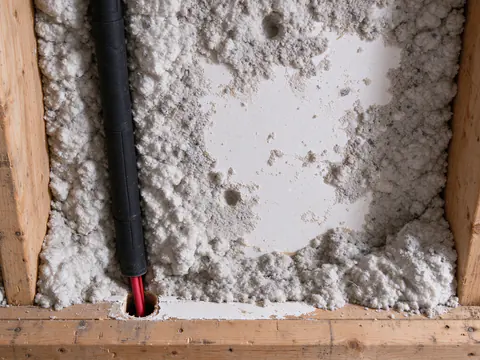
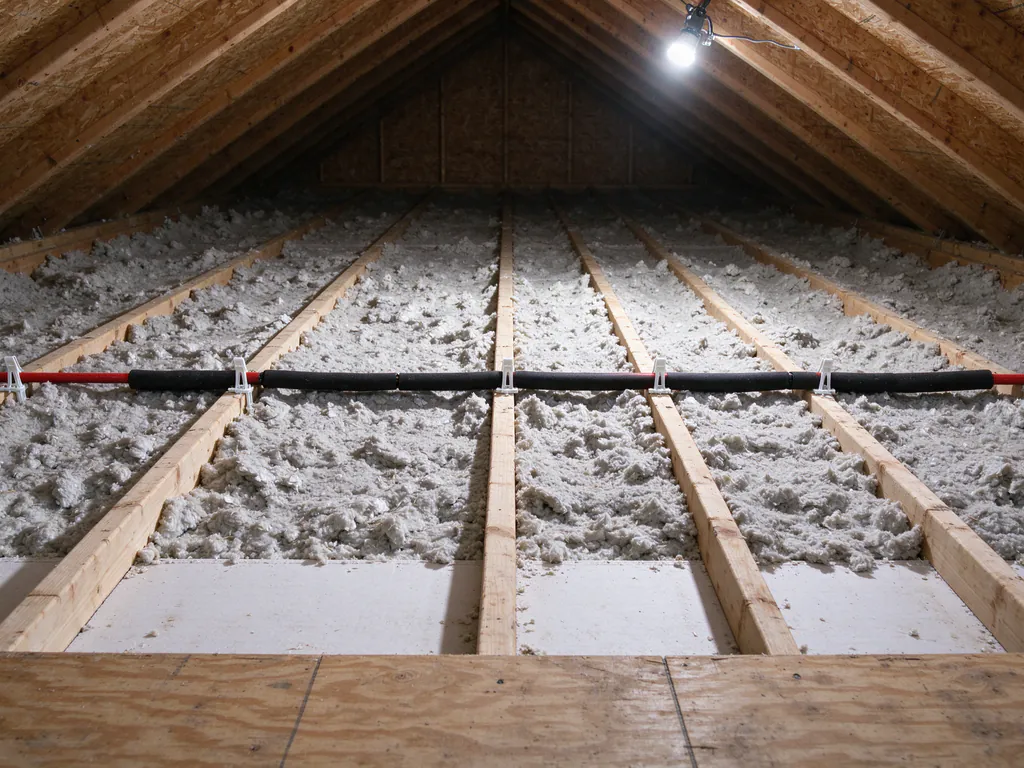
| Attic insulation | Austin requires R-4 insulation, at least five-eighths of an inch thick, on water lines outside the thermal envelope | Code rule from the City of Austin; adds material and time on every attic foot |
| Permit and inspection | A City plumbing permit pulled by a Texas-licensed responsible master plumber registered with the City | Fee from the City’s schedule, confirmed for the address; a failed inspection costs $83.85 to reinspect |
| Wall and ceiling openings | Where the new line drops to each fixture, and what the wall is finished with | No public figure; a written line in the estimate |
| Patch and paint | Whether the estimate closes openings only or also textures and paints | No public figure; a written line in the estimate |
| Pressure regulator, if needed | Austin’s code calls for a regulator and expansion tank where static pressure tops 65 psi | Read at the first visit; priced as its own line when it applies |
A wage is not a billing rate. What a plumbing company charges also carries licensing, insurance, vehicles, tools, permits and time spent on inspections. The wage figures do show that a high Austin reroute quote is not explained by local pay: Austin plumbers earn about the national median. The difference comes from the run.
What moves a reroute price up or down
Length of the run. The new line goes from where the old one started, usually the water heater, a manifold or a trunk line, up into the attic and across to every fixture the old line fed. A hot line that crosses the whole house costs more than a cold line to one bathroom next to the water heater.
How many fixtures the line feeds. Each fixture group the abandoned line served needs its own drop through a wall. One leaking line can feed a kitchen sink, a dishwasher, a bathroom and a laundry, and every drop adds an opening.
Attic headroom and roof shape. A tall, open attic is the easy case. A low-slope roof, a finished attic room or a vaulted ceiling forces a longer route or more wall work. The PEX in a Texas attic guide covers how the line should be routed and protected up there.
One story or two. On a two-story slab house, a line feeding downstairs fixtures has to come down through the second floor or a chase, which takes more time and more openings.
Finishes at the drop points. Tile, stone backsplashes and built-in cabinets slow the work at the fixture end. Plaster walls, where a house still has them, are cut and patched differently from drywall, and the repipe timeline guide explains how finishes change the schedule.
Material. PEX bends through framing in long runs with few joints. Copper needs more fittings. The PEX repiping page explains the trade-offs.
Hot water slab leak repair cost
Hot water lines are the ones people notice first, because a hot leak warms the floor above it. The reroute is priced the same way as any other line, by length, drops and access. The difference is the starting point: a hot line starts at the water heater, so where the heater sits relative to the fixtures shapes the route. A heater in the garage at one end of the house means a longer hot run to a bathroom at the other end than a heater in a central closet. The slab leak signs guide covers how a hot line leak shows itself.
Leak detection is a separate cost
A reroute only makes sense once the leak is confirmed on a supply line and the plumber knows which line it is. Detection usually starts at the water meter with every fixture off, then isolates lines at the manifold or water heater to find which one loses pressure, and may use acoustic or thermal tools to locate the spot. Homeowners report paying for visits that did not locate the leak, so ask before the visit what the detection fee covers and what you get in writing at the end. Detection that only confirms “a leak somewhere under the slab” leaves the reroute scope unknown.
Drain leaks are different. Water leaking from a drain under the slab does not run the water meter, is found with a camera, and is a separate kind of work from a supply reroute; the guide on drain pipes explains where that line falls.
Want a price for your own reroute?
The cost estimator asks about the line, the house and the attic, and shows where your reroute is likely to land.
Help with the bill after a slab leak
A slab leak can show up first as a high Austin Water bill. Austin Water can adjust a bill raised by a leak through its Water Leak Bill Adjustment. You need to send it within 90 days of the repair, with the paid repair receipt describing the repair, your account number, the service address, the date range of the high bill and the repair date. Keep the invoice from the reroute for exactly this reason.
| Program | Who runs it | What it does | Fit after a slab leak |
|---|---|---|---|
| Water Leak Bill Adjustment | Austin Water | Adjusts a bill raised by a leak; paid repair receipt submitted within 90 days of the repair | Directly relevant; keep the invoice |
| Plumbing Repair Program | City of Austin Housing | Grants up to $15,000 for critical plumbing repairs to homeowners at or below 100% of median family income | Ask the program whether a slab leak repair qualifies before you plan around it |
| Homeowners insurance | Your insurer | Depends on the policy; access and resulting damage are often treated differently from the pipe itself | Read the slab leak insurance guide before you file |
There is no federal or Texas program that pays for rerouting or repiping inside a house.
When one more reroute is the expensive choice
One reroute in a house with sound pipe is usually the cheapest lasting fix. A second or third leak changes the math. Each one brings its own detection fee, its own permit and its own set of wall openings, and the pipe left under the slab is the same age and material as the lines that already failed. At that point, pricing a whole-house repipe next to the reroute is a fair comparison, not an upsell. The Austin repipe cost guide covers what a full repipe includes, and the is repiping worth it guide walks through repeat-leak decisions.
Austin permit records show the pattern. Across five years of City plumbing permits, 149 describe rerouting a water line, and more mention the attic or overhead routing than the slab. Typical wording reads “Abandon the leaking 3/4 hot water line in the foundation & reroute it overhead in the attic.”
Getting a reroute estimate you can compare
Two reroute quotes are only comparable when they list the same things. Ask for each of these as a written line:
- leak detection, and what it found
- which line is being abandoned, and which fixtures the new line feeds
- material, insulation and the route through the attic
- the permit and the pressure test before walls close (the Austin repipe permit guide covers who pulls it)
- the number of wall and ceiling openings, and whether patching includes texture and paint
- a regulator and expansion tank, if pressure at the hose bib reads above 65 psi (the pressure regulator guide covers the rule)
An estimate from Grackle Repiping Austin lists those lines before work starts, and the slab leak reroute page explains how the work runs day to day. For a starting number on your own house, try the repipe cost estimator.